A short documentary film by Alexandra Colón-Amil and Valeria Massarelli
How Salvadoran immigrants transformed Washington, D.C.
through food, culture, and community.
Pupusas may be Salvadoran, but they have become an emblematic dish of Washington, D.C.
These handmade corn tortillas, often filled with cheese, beans, or pork, arrived with immigrants like Chef Benjamín Velásquez and restaurateur Haydee Vanegas—both refugees from El Salvador's brutal civil war. As these newcomers made the District their home, they worked in restaurants and kitchens, eventually becoming food entrepreneurs in their own right. Over time, they enriched D.C.'s culinary and social landscape, emerging as pillars of support, connection, and purpose within their communities.
Told through the lived experiences of Benjamín and Haydee, the short documentary District of Pupusas weaves past and present to explore how Salvadorans—the largest immigrant group in Washington, D.C.—have shaped the US capital.

Handmade pupusas cooking on the griddle
This is not just a film about food.
It is about how communities are built,
how culture travels,
and how identity is
preserved and transformed across generations.
November 12, 2026 · 6:00 PM
801 K Street NW, Washington, DC 20001
Join us for a free screening, with Q&A and pupusas, at the DC History Center. Click below for details.
Register →
Owner and founder of the iconic Haydee's Restaurant in Mt. Pleasant, Haydee Vanegas is more than a restaurateur. She is a community builder, whose beloved restaurant has become a cultural hub in Washington, D.C.
At Haydee's Restaurant, people of all backgrounds come together not only to enjoy delicious pupusas, but also to dance, sing, and express their artistry. It's a place where culture is preserved and a sense of belonging is nurtured.
Haydee often says that her life's calling has always been to help others—and she found the perfect way to do so through her family-run restaurant. At Haydee's, community is strengthened and new beginnings take place.

Haydee Vanegas and daughter Mary in front of Haydee's Restaurant

A renowned figure in Washington, D.C.'s culinary scene, Chef Benjamín Velásquez has helped bring Salvadoran cuisine into the mainstream, while dedicating himself to teaching others how to build a life through food.
Benjamín has mentored countless immigrants as a chef at the Carlos Rosario International Public Charter School, through his catering business, and at his restaurant, Mama Chepa Cocina Latina in Fort Totten. By sharing both culinary skills and pathways to opportunity, he has contributed to staffing restaurant kitchens throughout the city.
Benjamín's journey reflects the possibilities and contributions of immigrant entrepreneurship. His story is one of resilience, mentorship, and the transformative power of someone believing in you.

Chef Benjamín Velásquez working with his daughters and catering crew at Carlos Rosario School event

Serving pupusas at a community event in Washington, D.C.
In Washington, D.C., pupusas have evolved from a staple of Salvadoran home cooking into a defining element of the city's cultural identity. Their arrival is inseparable from the waves of Salvadoran immigrants who fled the country's civil war in the 1980s and 1990s. These refugees often came with little more than their skills, traditions, and determination to rebuild their lives. Many, like Haydee Vanegas and Chef Benjamín Velásquez, began working in restaurants and kitchens across the city before opening their own establishments. Today, Salvadoran cooks and chefs are integral to the District's food industry, and Salvadoran-owned businesses are found throughout the area.
District of Pupusas explores the contributions of Salvadorans—and immigrants more broadly—to D.C. Looking beyond pupusas, the film centers on the people behind them: the lives they have built, the traditions and communities they sustain, and the ways they bring people together.
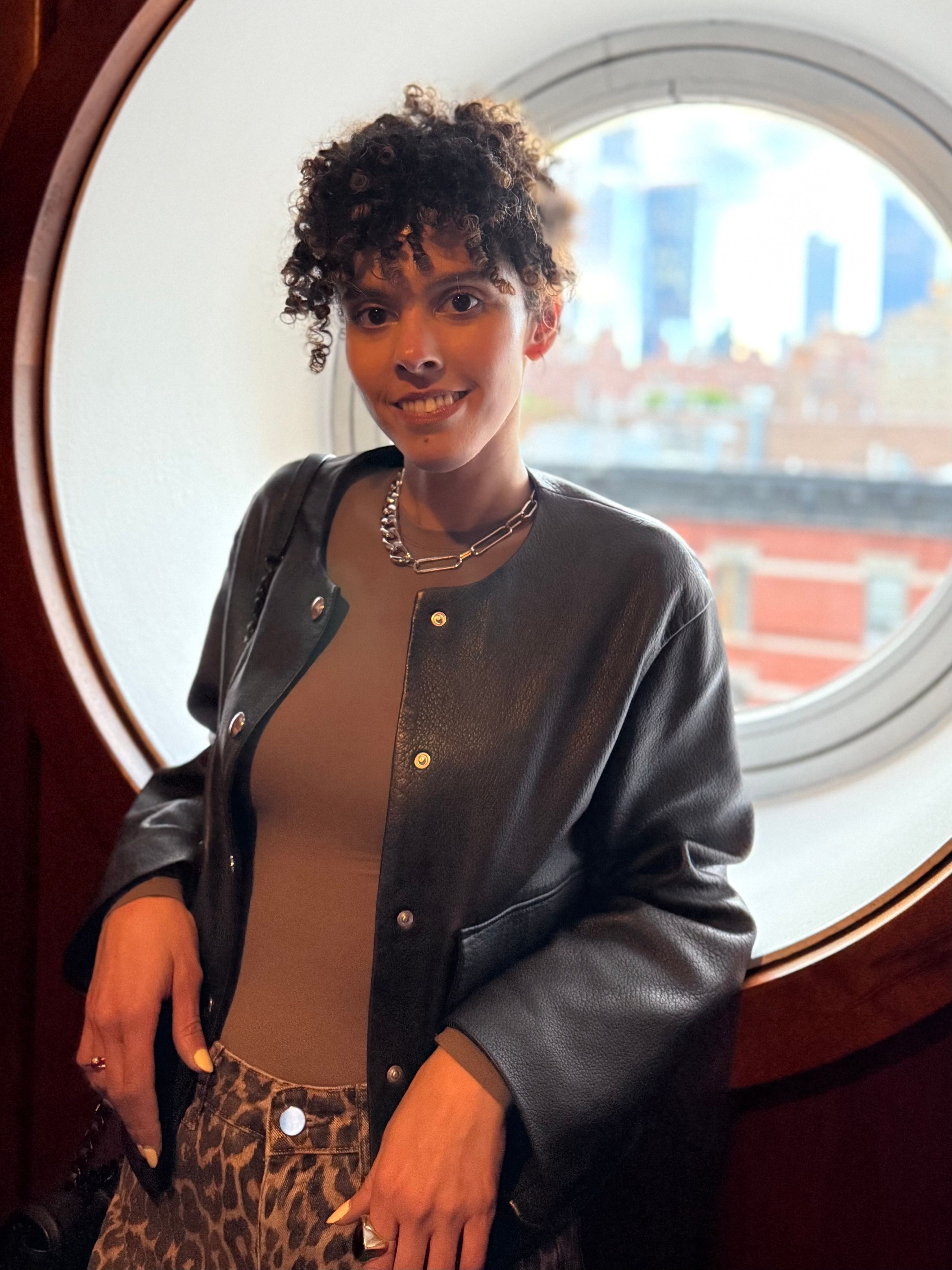
Co-Director

Co-Director
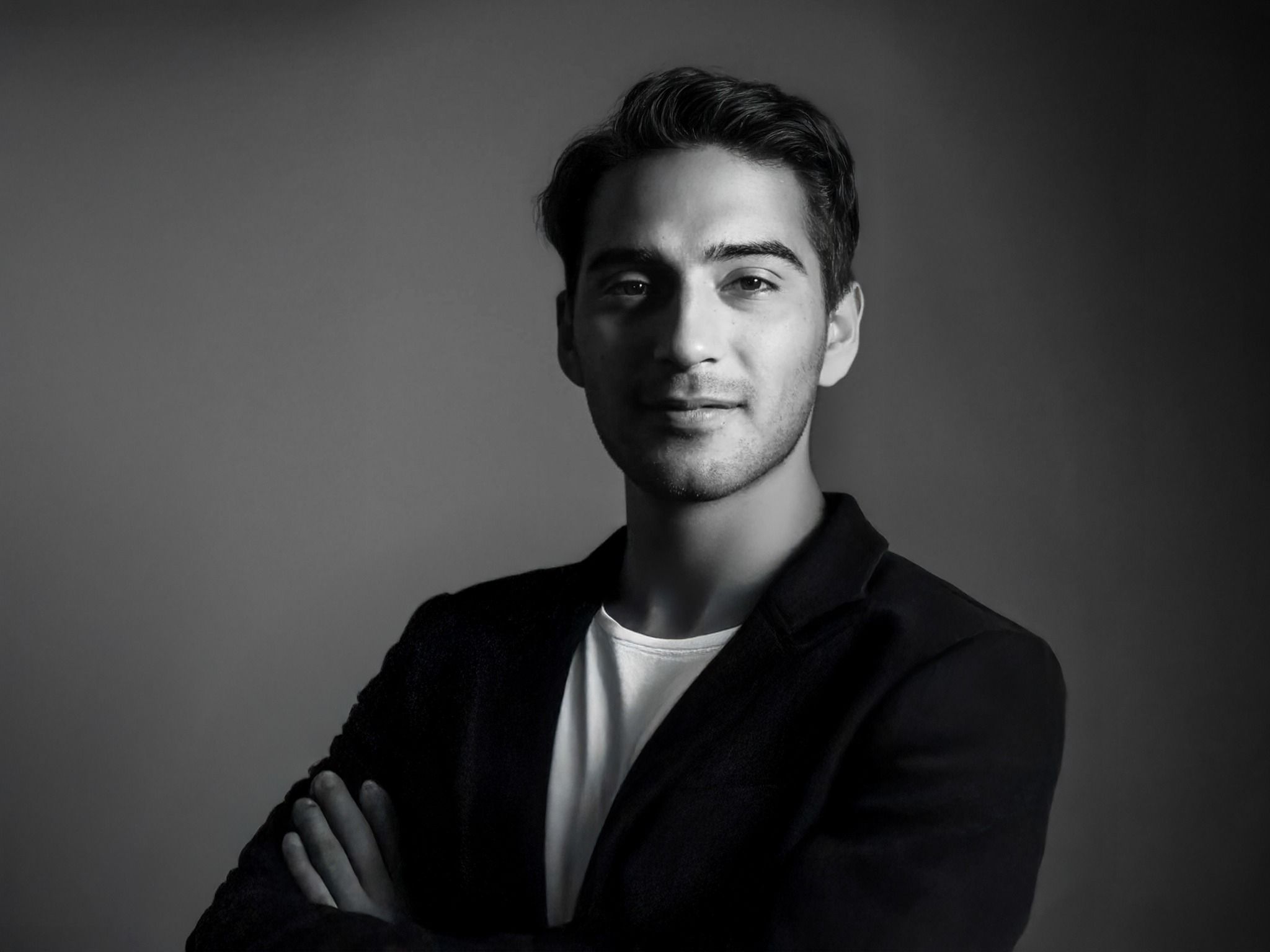
Director of Photography
Producer
Video Editor
Graphic Designer


Supported By